
Don’t lose good days to bad nights
Find out if you are at risk for sleep apnea
What is sleep apnea?
Sleep apnea is a common sleep disorder characterized by repeated interruptions in breathing throughout the sleep cycle. These interruptions, called apneas, are caused by the collapse of soft tissue in the airway, which prevents oxygen from reaching the lungs.
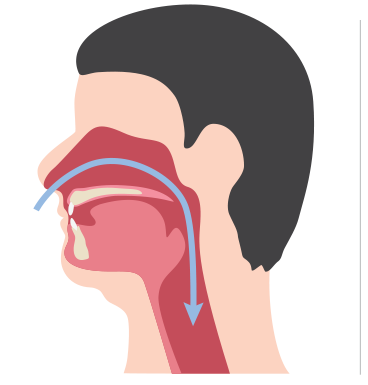
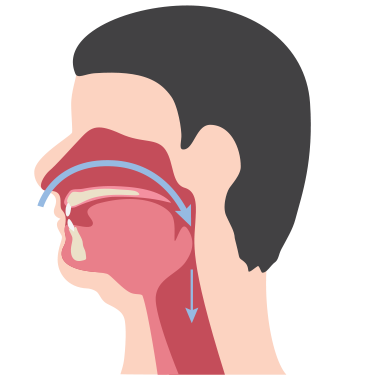
Weak muscles in the airway, a large tongue, obesity and other factors may cause airway tissue to collapse and obstruct breathing.
You’re not alone
About 10% of the adult population in the world suffers from sleep apnea, and about 90% of them have not been diagnosed.1 And in the United States, one in five adults have at least mild obstructive sleep apnea. That’s significant because sleep apnea is a serious condition. Sleep apnea disrupts the sleep cycle and can dramatically impact energy, mental performance and long-term health. In some cases, if left untreated, sleep apnea can be fatal. It can be hard to take the first steps into finding out if you have sleep apnea. We are here to help.

Find out if you have symptoms of sleep apnea
Snoring could be more than annoying – it could be a danger to your health. Take our 9-question quiz to find out if you’re at risk.
Sleep apnea symptoms and risks
Untreated sleep apnea is associated with a number of health risks, so it’s important to consult a sleep specialist if you have these signs and symptoms.

Nighttime symptoms

Daytime symptoms
What are the risks of untreated sleep apnea?
Driving- and work-related accidents
Sleep apnea can have serious short- and long-term health risks if left untreated, including:
How do I get diagnosed?
If you think you have sleep apnea, it’s important to find out for sure so that you can begin treatment and start enjoying the benefits of better sleep and a healthier life.

Take the symptoms quiz to determine if you are having symptoms of sleep apnea. Print out your results to take to your doctor.

Discuss your sleep apnea risk test results with your primary care doctor, who will likely help you schedule a sleep study.

Look into sleep testing options, including asking your doctor whether your health condition allows for in-home sleep testing.

If you are diagnosed, learn more about the Philips Dream Family of sleep apnea products to see which is right for you.
You have sleep apnea, now what?
What to expect from a sleep study
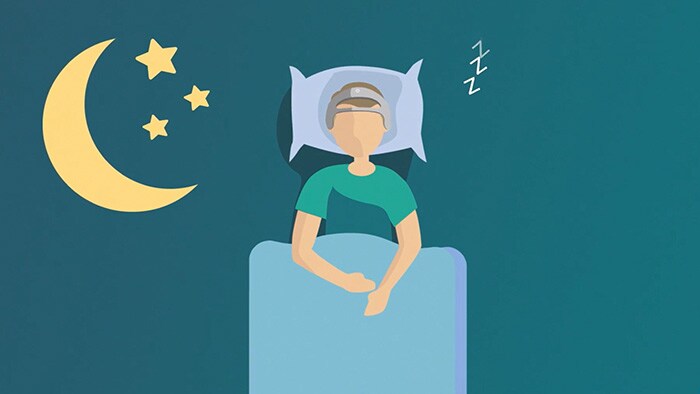
Sleep studies are simple and painless, and resulting treatment can be life changing. A sleep study takes place overnight in a sleep lab or in your home, depending on your health history and your insurance.

Myth: I don’t think I will be comfortable sleeping in a sleep lab.

Fact: Though many people have this fear, most are able to fall asleep in the sleep lab.
By Teofilo Lee-Chiong, MD, chief medical liaison, Philips Healthcare Solutions
Sleep studies 101

Getting diagnosed: personal experiences Hear from people who took the leap and met the challenges involved in getting diagnosed. Watch now
What is AHI?
The Apnea Hypopnea Index (AHI) is the most important number on your sleep apnea test. It measures the number of times you have an apnea (when you stop breathing for short time) or a hypopnea (when you partially stop breathing for a short time) while you’re asleep. Read an example of a sleep study test result, showing AHI and other measurements used during a sleep study.
Don't miss out!
Insight and support:
Check out our blog for ideas and information about thriving with sleep apnea, so you can easily manage your condition and live the life you want.
Frequently asked questions
References For informational purposes only, not to replace physician's directions.

